- Healthcare
- Automation
Why Canadian clinics are choosing bespoke software over off-the-shelf EMR modules
Bespoke healthcare software streamlines workflows for Canadian clinics by replacing generic EMR modules with custom solutions. Tailored EHR, billing, and patient portals improve compliance, reduce admin tasks, and enhance care delivery. Discover how custom software aligns with your clinic’s needs.

Bespoke software for clinics gives you a system built around your exact workflows, not someone else’s template. Instead of forcing your staff to adjust to generic tools, you shape the technology to match how you deliver care, manage records, and handle billing.
Bespoke healthcare software lets you streamline clinical and administrative processes while meeting strict privacy and compliance requirements. You can integrate EHR systems, telemedicine, patient portals, and billing into one connected platform that supports daily operations without unnecessary complexity.
When you invest in custom healthcare software through experienced healthcare software development teams, you gain flexibility to scale, improve patient experience, and adopt advanced tools like AI or cloud-based systems. The result is software that supports your clinic’s growth and long-term performance.
Key Takeaways
- Custom solutions align directly with your clinic’s workflows and operational needs.
- Integrated systems improve care delivery, data flow, and regulatory compliance.
- Strategic development and implementation support long-term scalability and performance.
Tailored Solutions for Clinic Operations
Bespoke software aligns directly with how your clinic delivers care, manages records, and communicates with patients. You gain systems that reflect your workflows, regulatory requirements, and growth plans rather than forcing your team to adapt to generic tools.
Addressing Unique Clinic Needs
Every clinic operates with distinct clinical, administrative, and reporting requirements. Custom healthcare software development allows you to design a patient management system that mirrors your intake process, billing rules, and care pathways.
If you run a multi-specialty clinic, you can configure separate templates within your EHR systems or EMR systems for each discipline. A physiotherapy team may need treatment tracking and outcome scoring, while a family practice may require preventive care reminders and chronic disease management tools.
You can also align your system with provincial privacy laws and billing standards. Custom practice management software or an integrated HIS can support OHIP billing logic, referral workflows, and secure document exchange without relying on workarounds.
This approach reduces manual steps and limits data duplication. Your staff works inside software that reflects how your clinic actually functions.
Examples of Custom Modules and Integrations
Bespoke solutions often combine several core systems into one coordinated platform. Instead of juggling separate tools, you connect modules through a unified architecture.
Common custom components include:
- Patient management software for scheduling, intake, and waitlist tracking
- Integrated EHR solutions with configurable templates and structured data fields
- Secure patient portal access for results, forms, and messaging
- Billing modules tailored to provincial fee schedules
- Inventory tracking for supplies and medical devices
You can also integrate third-party systems such as diagnostic labs, pharmacy networks, or accounting software. API-based connections allow real-time data exchange between your EMR systems, virtual care platforms, and reporting dashboards.
When you invest in custom healthcare software, you define which data flows where. This control supports accurate reporting, coordinated care, and better financial oversight.
Workflow Automation and Patient Engagement
Automation improves consistency and reduces administrative burden. Your bespoke system can trigger appointment reminders, follow-up tasks, and referral notifications based on defined rules.
For example, your practice management software can automatically:
- Send SMS or email reminders before appointments
- Generate follow-up tasks after specific diagnoses
- Alert staff to unsigned charts in your EHR
- Prompt preventive care outreach at set intervals
These features support stronger patient engagement without increasing staff workload. A secure patient portal can allow online booking, digital intake forms, and access to lab results.
When you add virtual care capabilities, patients can attend video visits directly through your platform. Integrated documentation ensures that notes from virtual encounters flow into your patient management system and EHR without manual re-entry.
You create a connected environment where clinical care, administration, and communication operate as one system.
Enhancing Care Quality and Patient Experience
Bespoke software allows you to control how clinical data flows, how patients interact with your team, and how care extends beyond the clinic walls. By aligning electronic health records, communication tools, and remote care features with your workflows, you improve patient outcomes while reducing administrative strain.
Streamlined Patient Data Management
You rely on accurate, accessible data to make safe clinical decisions. A tailored electronic health record (EHR) system structures information around your services, whether you focus on primary care, mental health, or chronic disease management.
Custom electronic health records reduce duplicate entry and limit time spent on documentation. Studies show clinicians often spend hours each day managing EHR tasks; a system built around your templates, order sets, and billing rules cuts that burden and frees time for direct care.
You can also integrate:
- Laboratory and imaging feeds
- E-prescribing tools
- Remote patient monitoring (RPM) devices
- Secure data exchange using HL7 or FHIR standards
This unified record supports remote care and telemedicine by giving providers real-time access to vitals, medication history, and care plans. When your team sees a complete, current record during a virtual consultation, you reduce errors and support better patient outcomes.
Optimizing Patient Portals and Communication
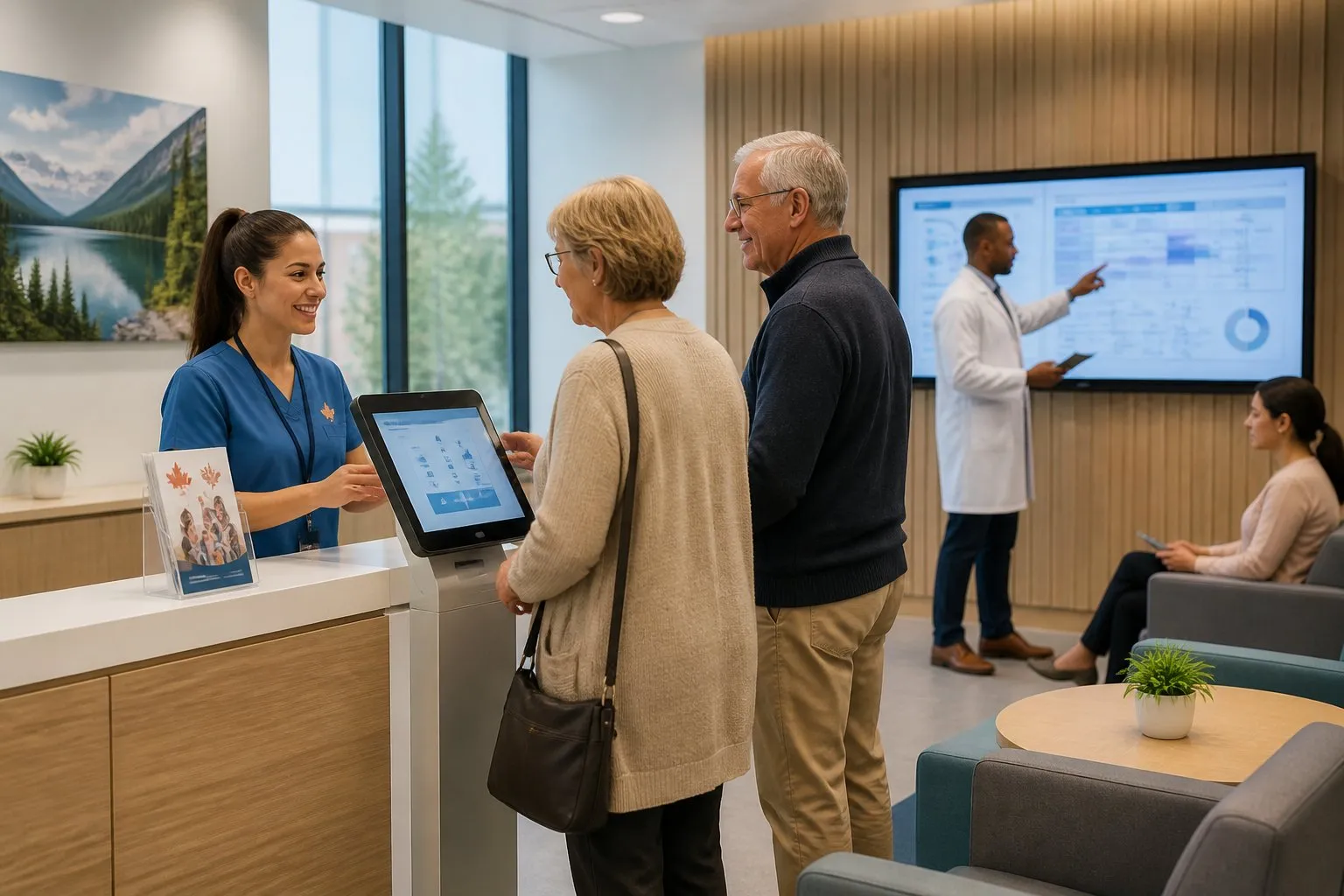
Patients expect digital access to appointments, results, and secure messaging. Over 70% now look for healthcare experiences that match other service industries, and many prefer online booking and digital records.
A bespoke patient portal connects directly to your EHR systems. Patients can:
- Book or reschedule visits
- View test results
- Request prescription renewals
- Message providers securely
You can embed automated reminders, intake forms, and follow-up surveys to reduce no-shows and improve compliance. Targeted reminders have been shown to significantly lower missed appointment rates, especially for higher-risk groups.
Custom telehealth and virtual consultation tools also integrate with your portal. Instead of juggling third-party platforms, you manage telemedicine, documentation, and billing within one system. This consistency builds trust and simplifies communication for both staff and patients.
Improving Patient Outcomes Through Innovation
Bespoke software lets you extend care beyond episodic visits. With integrated remote patient monitoring, you track blood pressure, glucose levels, or cardiac metrics between appointments and intervene earlier when readings shift.
For chronic disease management, your system can trigger alerts, adjust care plans, and schedule proactive outreach. These workflows support measurable improvements in patient outcomes by reducing avoidable complications and hospital visits.
You can also invest in custom healthcare app or mHealth app development. A clinic-branded wellness app may include medication reminders, symptom tracking, and educational content tailored to your population.
When you connect telehealth, RPM, and in-clinic EHR data into one coordinated platform, you create a continuous care model. Patients receive consistent guidance, and your team bases decisions on timely, comprehensive information rather than fragmented records.
Interoperability, Integration, and Compliance
Bespoke software for clinics must exchange data accurately, connect to diverse healthcare systems, and meet strict privacy laws. You need structured integration, recognized interoperability standards, and built-in regulatory safeguards from day one.
Connecting with External Systems
Your clinic relies on more than a single application. You exchange data with EHRs, labs, pharmacies, imaging systems (PACS/RIS), billing platforms, and provincial repositories.
Bespoke software should support secure API-based connections and established messaging protocols such as HL7 integration. This allows your system to send lab orders, receive results, synchronize medication records, and automate claims without manual re-entry.
You should design integrations around structured data flows. For example:
- Real-time lab result ingestion into patient charts
- Automated claims submission to insurers
- Two-way appointment updates with referral platforms
- Secure data exchange with provincial health systems
Strong interoperability reduces duplicate tests and incomplete records. It also improves patient data management by ensuring each system reflects the same clinical and administrative information.
Security must remain central. You should enforce role-based access control (RBAC), encrypt data in transit and at rest, and monitor integrations with detailed audit trails to detect unauthorized access.
Implementing Interoperability Standards
Interoperability standards allow your clinic’s software to communicate consistently with external systems. Without them, integrations become fragile and expensive to maintain.
You should prioritize modern standards such as FHIR (Fast Healthcare Interoperability Resources). FHIR supports RESTful APIs and structured data formats, making it easier to exchange patient demographics, encounters, medications, and observations across platforms.
Legacy systems may still require HL7 v2 messaging or C-CDA documents. Your bespoke solution should support both contemporary and established standards when necessary.
Key standards to consider:
- FHIR R4 for API-driven data exchange
- HL7 v2 for real-time clinical messaging
- SNOMED CT and LOINC for consistent clinical terminology
- OAuth 2.0 and OpenID Connect for secure authentication
By aligning with recognized interoperability standards, you improve scalability and simplify future integrations. You also position your clinic to participate in regional health information exchanges and digital health initiatives without rebuilding your core platform.
Meeting Canadian and Global Regulations
Healthcare software must meet strict regulatory compliance requirements. In Canada, you must align with federal and provincial privacy laws, such as PIPEDA and applicable health information acts.
If you serve international patients or operate across borders, you may also need GDPR compliance. Clinics interacting with U.S. partners or insurers may require HIPAA-compliant software.
Your bespoke system should include:
- End-to-end encryption for data transmission
- Data encryption at rest within databases and backups
- Granular access control with RBAC policies
- Comprehensive audit trails for all data access and changes
- Configurable data retention and consent management tools
You should document compliance controls during development, not after deployment. Built-in safeguards protect patient data management processes and reduce the risk of breaches, penalties, and reputational damage.
Supporting Clinical, Administrative, and Revenue Workflows
Bespoke software connects your clinical care, front‑desk operations, and financial processes in one controlled environment. You reduce manual handoffs, limit duplicate data entry, and maintain clear oversight of patient, staff, and revenue activity.
Practice and Hospital Management
A tailored hospital management system (HMS) or clinic management platform centralizes scheduling, patient registration, clinical documentation, and resource allocation. You manage appointments, room assignments, provider calendars, and waitlists from one dashboard.
Custom workflows let you reflect how your clinic actually operates. For example, you can configure:
- Multi-location scheduling rules
- Referral intake and triage pathways
- Role-based access for clinicians and administrative staff
- Integrated telemedicine software for virtual visits
When you embed a telehealth platform directly into your HMS, you align virtual consults with in-person scheduling, charting, and billing. Clinicians document within the same patient record regardless of visit type.
You also gain operational reporting tied to real metrics such as provider utilization, no-show rates, and average visit length. This supports staffing decisions, procurement planning, and compliance tracking without relying on disconnected systems.
Medical Billing and Revenue Cycle Management
Integrated medical billing software ensures that clinical documentation flows directly into your revenue cycle management process. You reduce claim errors by linking diagnoses, procedures, and payer rules at the point of care.
A bespoke solution supports:
- Automated eligibility checks
- Claim scrubbing before submission
- Custom billing rules for specialty services
- Tracking of denials and resubmissions
When your system connects scheduling, charting, and billing, you minimize missed charges. This is especially important for multi-disciplinary clinics where services span consultations, diagnostics, and follow-up care.
You can also configure dashboards that track key financial indicators:
| Metric | Why It Matters |
|---|---|
| Days in AR | Measures collection efficiency |
| Claim denial rate | Identifies documentation or coding gaps |
| Net collection rate | Reflects actual revenue performance |
With structured revenue data, you gain clearer forecasting and stronger financial control without adding administrative burden.
Prescription and Pharmacy Integration
A built-in prescription management system allows clinicians to issue, renew, and track medications directly within the patient chart. You reduce transcription errors and improve medication history accuracy.
By integrating e-prescription software, you send prescriptions securely to community or in-house pharmacies. This shortens turnaround time and supports compliance with provincial e-prescribing standards.
If your clinic operates a dispensary, a connected pharmacy management system can handle:
- Inventory tracking and lot control
- Automated refill reminders
- Drug interaction alerts
- Billing integration with insurers
When prescribing ties into your billing and clinical modules, you maintain a single source of truth. This alignment supports safer care, clearer documentation, and accurate reimbursement for medication-related services.
The Role of Advanced Technologies in Clinic Software
Advanced technologies allow you to move from reactive care to proactive management while tightening security and reducing manual work. AI, connected devices, and automation tools now shape how you deliver diagnostics, monitor patients, and protect clinical data.
AI, Predictive Analytics, and Diagnostics
AI tools embedded in bespoke clinic software support faster and more consistent decision-making. You can deploy AI-powered chatbots to triage appointment requests, answer routine patient questions, and collect structured intake data before a visit.
This reduces front-desk workload and improves data quality inside your EHR.
Predictive analytics models analyse historical patient records, lab results, and medication data to flag risks such as hospital readmission or disease progression. When you integrate predictive diagnostics into your workflow, the system alerts clinicians to abnormal patterns in imaging or vital signs that require follow-up.
In radiology or cardiology settings, AI-assisted image analysis can highlight areas of concern for review, supporting but not replacing clinical judgement.
Through custom software development and healthcare software product development, you can tailor these models to your clinic’s patient population. This ensures your healthcare software solutions reflect local demographics, common conditions, and regulatory requirements in Canada.
Remote Monitoring, IoT, and mHealth
Remote patient monitoring allows you to track vital signs such as blood pressure, glucose levels, and oxygen saturation between visits. Connected devices transmit data securely into your system, where clinicians review trends instead of isolated readings.
This approach supports chronic disease management and reduces unnecessary in-person appointments.
IoT-enabled devices and wearable sensors form part of a broader ecosystem. Your bespoke platform can consolidate device data, trigger alerts when thresholds are exceeded, and document interactions automatically in the patient record.
Through healthcare app development, you can offer a custom healthcare app that gives patients direct access to care plans, secure messaging, and telehealth visits.
When you design remote monitoring and mHealth features together, you create a continuous feedback loop between patient and provider rather than a series of disconnected encounters.
Security and Automation Innovations
Clinics handle sensitive health information, so security must sit at the core of your healthcare software solutions. Modern systems use end-to-end encryption, role-based access controls, and detailed audit logs to limit unauthorized access.
Some platforms also explore blockchain-based record validation to reduce the risk of data tampering.
Automation improves both security and efficiency. You can automate billing workflows, insurance verification, and appointment reminders while enforcing standardized data entry rules.
This reduces human error and strengthens compliance with privacy laws such as PHIPA and PIPEDA.
With structured automation built through custom software development, you gain consistent processes across locations. At the same time, you maintain flexibility to adapt rules, permissions, and reporting as your clinic grows.
Implementation Strategies and Choosing a Development Partner
Successful bespoke healthcare software depends on disciplined planning, a qualified healthcare software development company, and a clear strategy for long-term scalability and support. You need structured execution, regulatory awareness, and technical foresight from day one.
Planning and Scoping for Bespoke Projects
You start by defining the clinical, administrative, or operational problem in precise terms. Avoid broad goals like “improve efficiency” and instead document measurable outcomes such as reducing appointment no-shows by 15% or cutting charting time by 20%.
Map current workflows across physicians, nurses, reception staff, and billing teams. Identify bottlenecks, duplicate data entry, and compliance risks before designing your bespoke healthcare software.
Document:
- Core features required at launch
- Integration needs (EHR, billing systems, labs, imaging)
- Regulatory requirements (e.g., HIPAA for U.S. operations, PIPEDA in Canada)
- User roles and permission levels
Define a phased roadmap. Many clinics benefit from launching a focused version of their healthcare management software first, then expanding features once staff adopt the system.
Clear scope control prevents cost overruns and keeps custom software development aligned with your operational priorities.
Partnering with the Right Healthcare Software Development Company
You should choose a healthcare software development company with proven healthcare software development services, not a generalist vendor learning on your budget.
Assess partners against concrete criteria:
| Criteria | What to Look For |
|---|---|
| Regulatory expertise | Experience with healthcare compliance frameworks and secure development practices |
| Interoperability | Knowledge of HL7 and FHIR standards |
| Security posture | Encryption standards, role-based access control, audit logging |
| Portfolio | Delivered bespoke healthcare software or healthcare management software |
| Technical depth | Experience with AI, analytics, and cloud infrastructure when relevant |
Ask how they manage risk, validation, and testing. Healthcare systems cannot tolerate unstable releases or poor data handling.
Clarify ownership of intellectual property, data hosting arrangements, and post-launch responsibilities before signing agreements.
Ensuring Future Scalability and Support
Your bespoke healthcare software must handle growth in patient volume, new service lines, and evolving regulatory requirements.
Require an architecture designed for scalability. Cloud-based infrastructure, modular design, and API-driven integration reduce future redevelopment costs.
Plan for:
- Performance under increased concurrent users
- Expansion to additional clinic locations
- Integration with new diagnostic or remote monitoring tools
- Ongoing compliance updates
Establish a long-term support model. This should include monitoring, security patching, performance optimization, and structured feature releases.
Custom software development does not end at launch. Continuous improvement ensures your healthcare management software remains secure, compliant, and aligned with your clinic’s operational goals.
Browse our portfolio of solutions for clinics and laboratories and discover how we design customized systems to improve efficiency, safety, and the patient experience.
Ready to build something custom?
Let's talk 30 min and we'll help you identify and build your company's productivity of tomorrow.
Book a call